
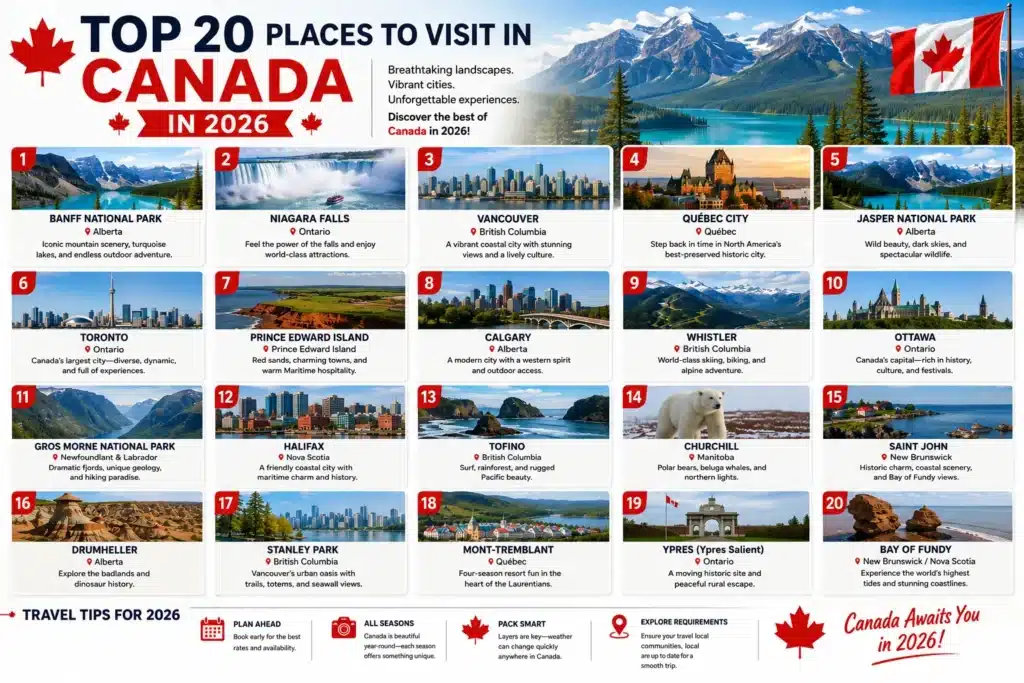
O Canada! Let's Explore the 20 Most Beautiful Places in the Country
Oh Canada! This vast, wild, and breathtakingly diverse country is, without question, one of our absolute favourite places in the entire world. We’ve spent years exploring it — living in Vancouver, skiing in Whistler, road-tripping through the Rockies — and honestly? We still feel like we’ve barely scratched the surface. That’s the thing about Canada: it’s the second-biggest country in the world, covering nearly 10 million square kilometres, and every single corner of it has something extraordinary to offer.
Canada offers natural beauty in staggering abundance. From the turquoise glacial lakes of Banff to the icebergs drifting off Newfoundland’s coast, from the ancient rainforests of Haida Gwaii to the dramatic sea cliffs of Nova Scotia, the sheer variety of landscapes here is genuinely mind-blowing. Add in the vibrant, multicultural cities — Vancouver, Toronto, Montreal, Quebec City — and it’s no surprise that Canada attracts tens of millions of tourists every year. I just love how, in one trip, you can cover mountains, coastlines, prairies, and remote Arctic wilderness.
Now, narrowing this list down to just 20 of the prettiest, most exciting places in Canada was a serious challenge — to say the least. But I’ve done it! And I can say, hand on heart, that I’ve personally visited every single place on this list. So you’re getting the real deal: honest, first-hand recommendations from someone who genuinely loves this country. So, let’s get started, shall we?
Our Top Tips for Visiting Canada
SUMMER: Best Places to Visit (June – August)
- Vancouver & Victoria — Warm, sunny, festivals everywhere, the best hiking conditions.
- Banff & Jasper — Turquoise lakes, wildflower meadows, and long golden evenings in the mountains.
- Tofino — Surfing, whale watching, and some of the best beach days in Canada.
- Montreal — Jazz Festival, outdoor terrasse patios, and the city at its most alive.
- Churchill, Manitoba — Beluga whale season. Thousands of them. It’s extraordinary.
WINTER: Best Places to Visit (December – March)
- Whistler — One of the world’s top ski resorts. ‘Nuff said.
- Quebec City — The Winter Carnival is one of the world’s best festivals, and the city looks magical in snow.
- Banff — Ice skating on Lake Louise, Christmas markets, and stunning winter scenery.
- Jasper & the Yukon — Best aurora borealis viewing. The dark sky preserves here are extraordinary.
- Churchill, Manitoba — Polar bear season (October/November). A true bucket-list experience.
TOP TIPS
- eSIM: We use a Canada eSIM for every trip — quick setup, reliable coverage, and it saved us from roaming charges across provinces. Highly recommended.
- Rent a car: Canada is MADE for road trips. Don’t try to do it by public transport alone. We always book through Discover Cars for the best rates.
- Travel insurance: Don’t skip this. Medical costs in Canada — particularly for emergency evacuations in remote areas like the Yukon or Churchill — can be astronomical.
- Be prepared for the weather: Canada’s climate varies enormously. Banff can get -30°C in winter. Tofino is rainy year-round. Always check forecasts and pack layers.
- Canada is HUGE: Focus on one or two regions per trip — trying to see the whole country in one visit is impossible and exhausting. Pick a theme (mountains, cities, coasts) and go deep.
Book in advance: Popular national parks like Banff require parking and campsite reservations months ahead. Don’t leave it to chance.
How to Avoid Scams & Stay Safe in Canada
Canada is, on the whole, an extremely safe country with a low rate of tourist-targeting crime. But a few areas deserve attention:
- Unofficial tour guides: In Banff, Niagara Falls, and Whistler, avoid unofficial guides who approach you near park entrances. Always book through licensed, verified operators.
- Ticket scalpers: At major events like the Calgary Stampede, only buy tickets from the official box office. Fake or overpriced tickets are a real problem.
- Charity collectors: Near busy tourist areas in Toronto and Vancouver, be wary of high-pressure charity fundraisers who expect large, immediate cash donations.
- Accommodation scams: For remote destinations (Churchill, Haida Gwaii, Yukon), ensure all accommodation is pre-booked through verified platforms. Availability is genuinely limited and scam listings do appear.
- Wildlife tour operators: For Churchill polar bear tours and beluga whale experiences, only use GTOS (Guide/Outfitter) licensed operators in Manitoba. Unlicensed operators can be dangerous.
- Currency: Canada uses Canadian Dollars (CAD). At airports and tourist areas, bureau de change rates are poor — use your bank’s travel card or a local ATM for much better rates.
Top Place To Visit
1. Vancouver
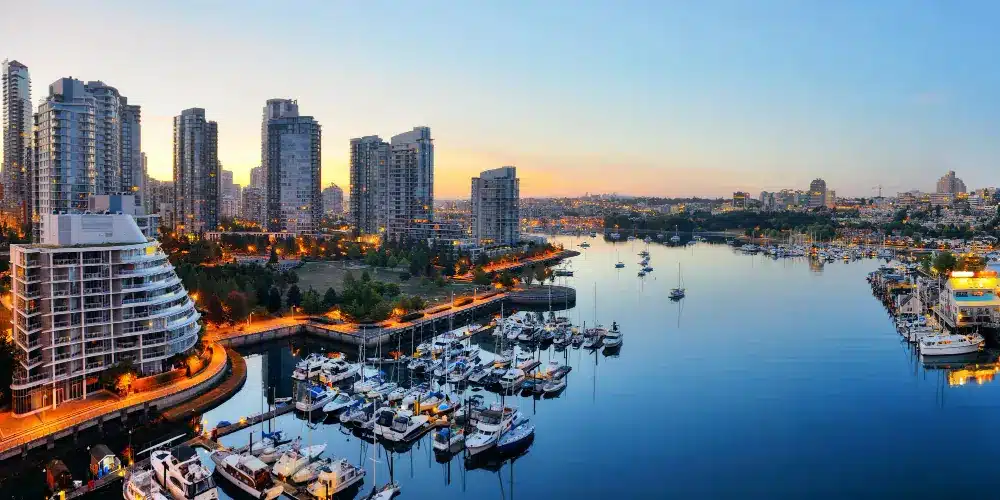
❤️ Why We Love It: The city where mountains meet the sea — pure magic.
☀️ Best Summer Visit: June – August (warm, sunny, festivals)
❄️ Best Winter Visit: December – February (skiing at Whistler nearby)
Vancouver is, without a doubt, one of the most breathtakingly stunning cities in the entire world. I mean, where else can you walk through a buzzing downtown core in the morning and be halfway up a snow-capped mountain by lunchtime? We lived in Vancouver for two years, and honestly, the novelty of those panoramic mountain-and-ocean views never once wore off.
Known as “the city where the beach and the mountains meet,” Vancouver is surrounded on almost all sides by the dramatic peaks of the Coast Mountains. And then there’s the Pacific Ocean lapping right at the city’s edge. It’s heaps of natural drama — and the city knows how to complement it. From the eclectic neighborhoods like Gastown and Kitsilano to the world-class restaurants and thriving arts scene, Vancouver is a perfect mix of the great outdoors and urban energy.
Yep, it’s notoriously pricey, but you can keep costs manageable by walking or hopping on the reliable SkyTrain, and making the most of free outdoor gems like Stanley Park and English Bay Beach.
Our Vancouver Highlights
- Hike the Grouse Grind — Often called ‘Mother Nature’s Stairmaster,’ this lung-busting trail up Grouse Mountain features 2,800 steps and rewards you with jaw-dropping views over the city and ocean. Allow 1.5–2 hours up.
- Walk the Stanley Park Seawall — This iconic 28 km loop is one of the finest urban walks in North America. The park itself is a whopping 404 hectares, with views of the North Shore Mountains, the city skyline, and the ocean.
- Cross the Capilano Suspension Bridge — Hanging 70 meters over the river and stretching 137 meters, this is a feat of engineering and a true thrill. The lush forest backdrop makes it absolutely unforgettable.
- Explore Granville Island Public Market — A must-visit for foodies, this covered market is packed with fresh local produce, artisan cheeses, baked goods, and hot street food. It’s reasonably priced and always buzzing.
Do's & Don'ts in Vancouver
✅ DO THIS
- Book Stanley Park bike rentals in advance during summer.
- Use the SkyTrain to avoid traffic and expensive parking fees.
- Visit Granville Island on weekdays to avoid weekend crowds.
❌ AVOID THIS
- Don't leave valuables visible in your vehicle.
- Don't skip sunscreen — UV levels remain high on cloudy days.
- Don't underestimate the Grouse Grind; it's a challenging hike.
⚠️ Scam Alert
Watch out for overly friendly strangers near tourist attractions offering "free tours" or unsolicited help. These situations may end with requests for large tips or unexpected fees. Always agree on prices and expectations upfront before accepting any service.
2. Banff
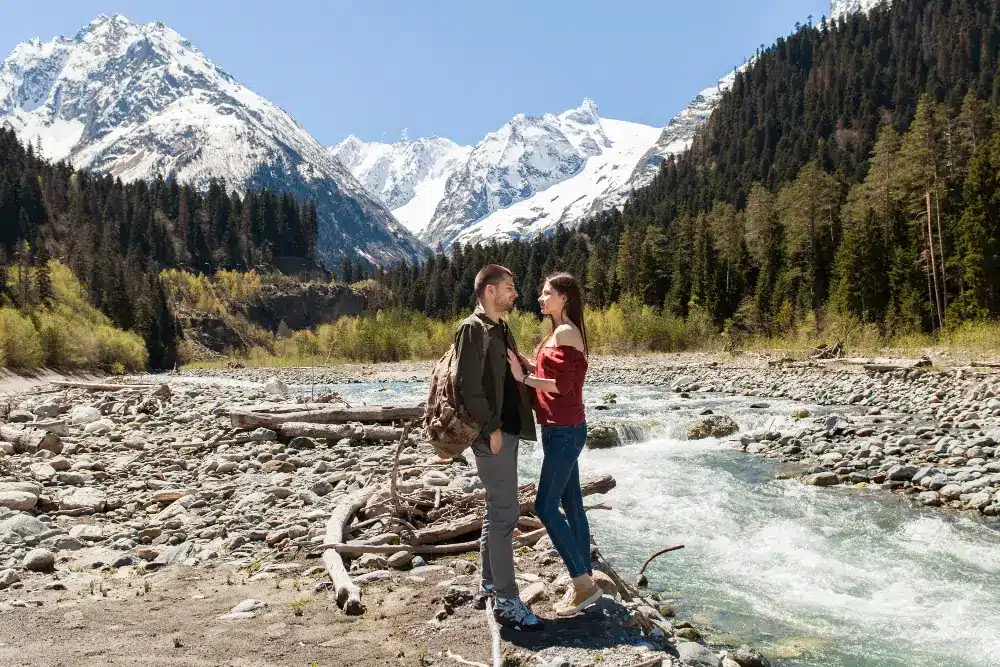
❤️ Why We Love It: Turquoise lakes, towering peaks, and a charming mountain town — Canada’s crown jewel.
☀️ Best Summer Visit: June – August (hiking, wildlife, turquoise lakes)
❄️ Best Winter Visit: December – January (peak snowfall, skiing, festive atmosphere)
Banff is the stuff of travel dreams. Full stop. Canada’s oldest national park (established way back in 1885), Banff spans over 6,640 square kilometers and is home to some of the most dramatic scenery you’ll ever set eyes on — turquoise glacial lakes, soaring Rocky Mountain peaks, and a genuine abundance of wildlife including elk, grizzly bears, and mountain goats.
The most iconic spot? Lake Louise, hands down. Its crystalline glacial water — the colour of a swimming pool but entirely natural — is simply extraordinary. And then there’s the Icefields Parkway, widely regarded as one of the most scenic drives in the world, stretching 232 km of jaw-dropping mountain vistas between Banff and Jasper.
And the town of Banff itself — nestled right in the heart of the park — is charming and lively, packed with great restaurants, cozy bars, and a fun, young, international crowd. It’s touristy? Absolutely. But it earns every bit of that attention.
Our Banff Highlights
- Ride the Banff Gondola — This 8-minute gondola ride whisks you to the summit of Sulphur Mountain, where you’ll see six different mountain ranges. Spot the highest Starbucks in Canada in the lower terminal!
- Drive the Icefields Parkway — One of the world’s great scenic drives. Stop at the Columbia Icefield, Athabasca Falls, and Peyto Lake for views that’ll genuinely leave you speechless.
- Canoe on Moraine Lake — Often more beautiful than even Lake Louise (and that’s saying something), Moraine Lake’s striking blue water is surrounded by the Valley of Ten Peaks. Hire a canoe for the full experience.
- Go white water rafting on the Kicking Horse River — This half-day adventure costs from $148 CAD per person and offers some of the best rapids in Canada.
Do's & Don'ts in Banff
✅ DO THIS
- Book Lake Louise parking well in advance during summer as spaces sell out quickly.
- Go wildlife spotting at dawn or dusk for the best chance of seeing elk and bears.
- Layer up, as mountain temperatures can drop significantly even during summer.
❌ AVOID THIS
- Don't feed or approach wildlife — it's illegal and dangerous.
- Don't skip Moraine Lake, even if it means an early 5 AM start.
- Don't leave food in your vehicle — bears can smell it through closed windows.
⚠️ Scam Alert
Avoid unofficial tour guides near the park entrance. Always book tours through licensed operators or directly through the Banff & Lake Louise Tourism website to ensure a safe and authentic experience.
3. Vancouver Island
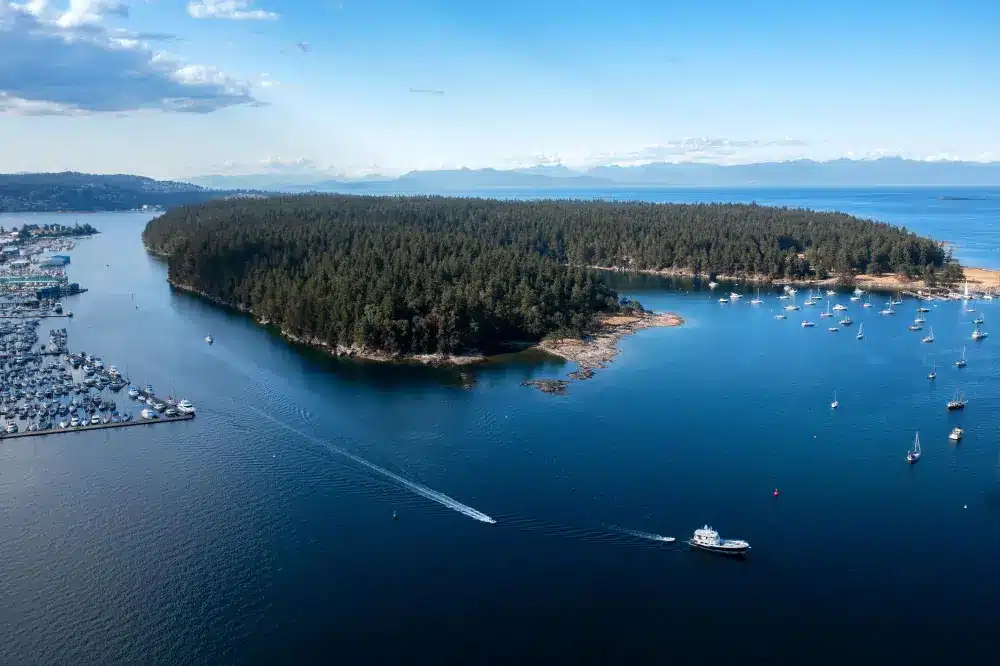
❤️ Why We Love It: Rugged coastlines, ancient rainforests, and Canada’s surf capital all in one island.
☀️ Best Summer Visit: July – September (warm, whale watching, surfing)
❄️ Best Winter Visit: November – February (storm watching, cozy inns in Tofino)
Nestled off the Pacific Coast of British Columbia, Vancouver Island is one of those places that makes you immediately want to cancel your return flight. You get the ferry here from Vancouver (about 90 minutes on BC Ferries), and as you sail towards this wild, green, beautiful island, the excitement builds with every passing minute.
The island is renowned for its stunning natural diversity — rugged Pacific coastlines, ancient rainforests, sandy beaches, and towering mountains. It’s an outdoor adventurer’s paradise, with endless hiking trails, world-class whale watching, kayaking, and surfing. We hiked in Sooke Mountain Provincial Park and it was absolutely brilliant.
And then there’s Victoria — the charming, British-flavoured capital city — with its gorgeous Inner Harbour, outstanding restaurants, and the iconic Butchart Gardens. In my opinion, Victoria is one of the most underrated cities in all of Canada.
Our Vancouver Island Highlights
- Visit the Butchart Gardens in Victoria — Spread across 55 stunning acres, these world-famous gardens feature the beloved Sunken Garden, Japanese Garden, Rose Garden, and Italian Garden. Go in the evening for the magical illuminations.
- Surf in Tofino — Canada’s undisputed surf capital. Chesterman Beach and Cox Bay offer consistent swells year-round, and there are heaps of surf schools for beginners.
- Whale watching out of Victoria or Tofino — Orcas, humpbacks, and grey whales all pass through these waters. It’s an experience that’ll stay with you forever.
- Hike Pacific Rim National Park — Ancient rainforest, wild beaches, and dramatic coastal cliffs. The Wild Pacific Trail is particularly stunning.
Do's & Don'ts in Vancouver Island
✅ DO THIS
- Book BC Ferries in advance, especially during summer weekends.
- Rent a car to fully explore Vancouver Island's diverse landscapes and attractions.
- Pack waterproof clothing and gear year-round — this is rainforest country.
❌ AVOID THIS
- Don't rush Victoria — allow at least two days to experience the city properly.
- Don't skip storm watching in Tofino during winter; it's one of the island's most memorable experiences.
- Don't book a surf lesson without verifying the operator's safety standards and credentials.
⚠️ Scam Alert
Be cautious of unofficial whale-watching operators promising guaranteed sightings. No company can guarantee whale encounters. Choose reputable operators with experienced captains and marine biologists on board.
4. Whistler
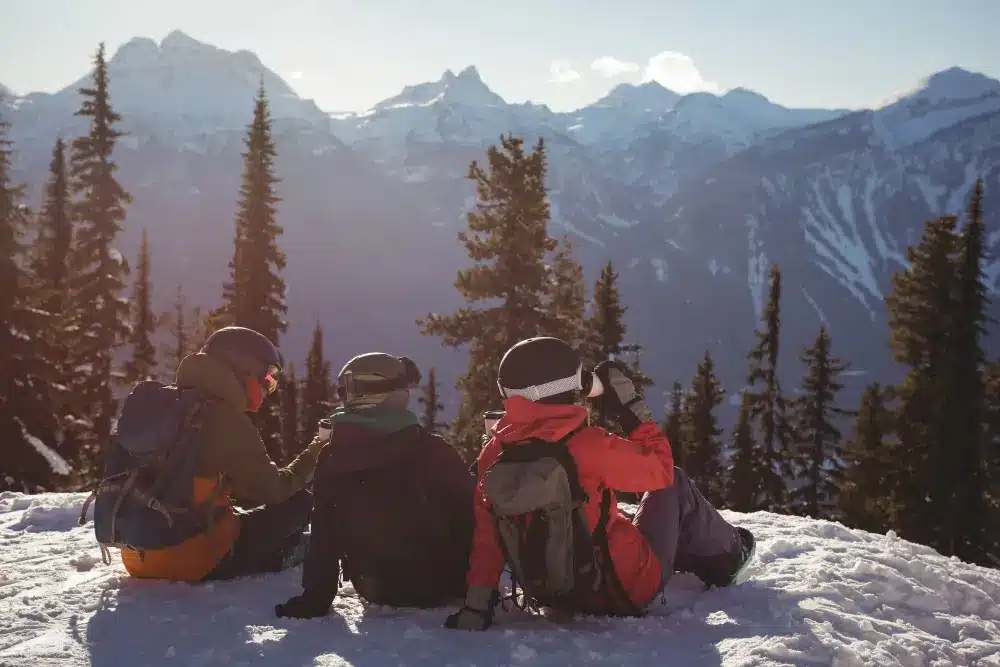
❤️ Why We Love It: Postcard-perfect mountain resort — the best ski destination in North America.
☀️ Best Summer Visit: July – August (mountain biking, hiking, festivals)
❄️ Best Winter Visit: December – March (world-class skiing and snowboarding)
Whistler is breathtakingly beautiful in every season, and I say that having lived there for a few years. Yes, we actually lived there — and what a time we had! It’s consistently ranked as one of the top ski resorts in the world, and for good reason — Whistler Blackcomb has over 200 marked runs, 16 alpine bowls, and 3 glaciers.
But Whistler isn’t just a winter destination. In summer, the mountain transforms into a world-class mountain bike park, the hiking trails are sensational, and the charming village is alive with outdoor festivals and events. The PEAK 2 PEAK Gondola — one of the longest and highest gondolas in the world — operates year-round and offers views that are genuinely otherworldly.
And Whistler is only about 1.5 hours from Vancouver along the stunning Sea-to-Sky Highway — itself one of the most scenic drives in Canada. So there’s really no excuse not to go.
Our Whistler Highlights
- Ski or snowboard at Whistler Blackcomb — Wake up early for Fresh Tracks (between 7:15–8 AM) and get first runs on perfectly groomed slopes with a buffet breakfast at the top. Unforgettable.
- Ride the PEAK 2 PEAK Gondola — Spanning 4.4 km between Whistler and Blackcomb Mountains at 436 meters above the valley floor, this is a jaw-dropping engineering marvel. The views are absolutely insane.
- Zipline with Ziptrek Ecotours — Home of the Sasquatch, the longest zipline in Canada and the USA at 2 km long. Incredible fun and the forest scenery is stunning.
- Try the off-road buggy tour — Drive your own 4×4 buggy up backcountry mountain roads. Prices start from $355 CAD — a splurge, but absolutely worth it for the experience.
Do's & Don'ts in Whistler
✅ DO THIS
- Book ski passes and accommodation months ahead for peak winter season.
- Use the free village shuttle to get around — parking is a nightmare in winter.
- Try the après-ski scene — Whistler's bars and restaurants are brilliant.
❌ AVOID THIS
- Don't go without travel insurance — medical costs on the mountain can be enormous.
- Don't underestimate the cold — dress in proper ski layers.
- Don't skip the PEAK 2 PEAK even in summer — views are stunning.
⚠️ Scam Alert
Avoid unofficial accommodation listings with vague addresses near the village. Always book through Whistler.com or verified platforms like Airbnb or Booking.com.
5. Jasper
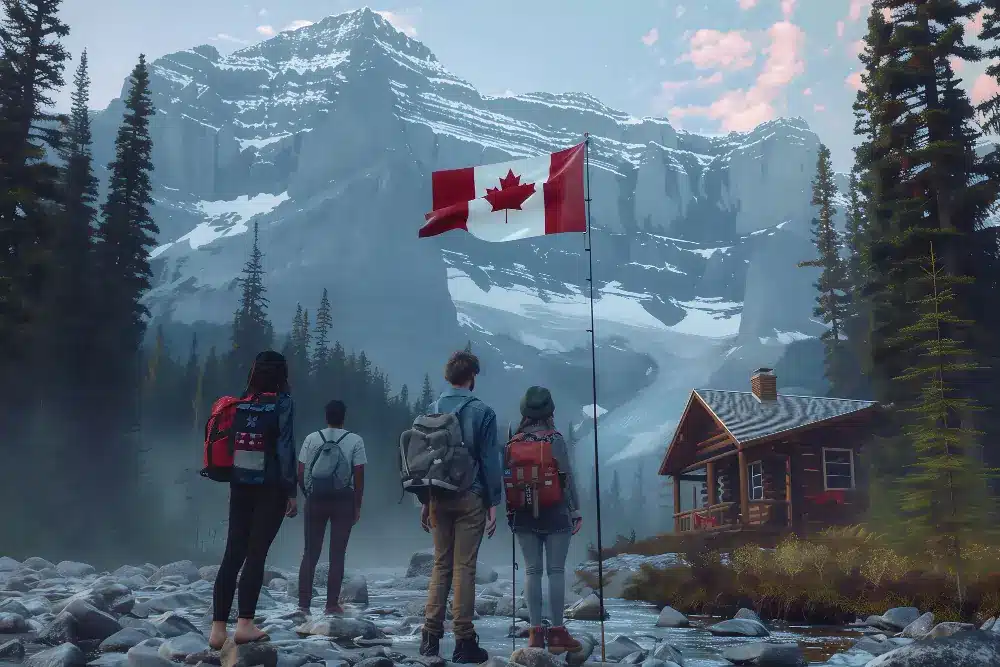
❤️ Why We Love It: Authentic mountain town with world-class dark skies and wild beauty.
☀️ Best Summer Visit: June – August (hiking, wildlife, lakes)
❄️ Best Winter Visit: January – March (dark sky viewing, aurora borealis)
Of all the mountain towns I’ve visited in Canada, Jasper is the one I could most easily imagine calling home. There’s something about it — a perfect blend of small-town warmth, untamed wilderness, and genuine charm — that gets under your skin in the best possible way. We’ve driven up here from Vancouver several times, stopping along the stunning Icefields Parkway each time.
Jasper National Park is vast — covering over 11,000 square kilometers — and home to over 1,200 km of hiking trails, hot springs, glaciers, and some of the most spectacular wildlife viewing in all of Canada. Elk casually wander the town streets. Bears roam the valleys. It’s proper wilderness.
And the real showstopper? Jasper is home to the world’s second-largest dark sky preserve. On a clear night, the Milky Way is so vivid it almost looks painted. The annual Jasper Dark Sky Festival in October draws thousands of visitors and has featured speakers from NASA.
Our Jasper Highlights
- Hike Maligne Canyon — One of the most spectacular canyons in the Canadian Rockies. In summer, the emerald water and dramatic rock walls are jaw-dropping. In winter, the frozen canyon becomes an ice walk.
- Ride the Jasper SkyTram — Canada’s highest and longest aerial tramway takes you to the 2,263-meter summit of Whistlers Mountain. The views of six mountain ranges from the top are staggering.
- Visit Maligne Lake and Spirit Island — This is often called the most photographed spot in the Canadian Rockies. Hire a canoe or take a boat tour to Spirit Island — a tiny forested island in the middle of a glacial lake.
- Stargaze at the Dark Sky Preserve — On clear nights, the skies here are unlike anything you’ll see near a city. Download the SkySafari app, find a dark spot away from town, and prepare to have your mind blown.
Do's & Don'ts in Jasper
✅ DO THIS
- Book the Maligne Lake boat tour early — it sells out weeks in advance.
- Visit in late September/October for fall colours and the Dark Sky Festival.
- Stop at Athabasca Falls on the Icefields Parkway — it's extraordinary.
❌ AVOID THIS
- Don't drive the Icefields Parkway without a full tank of fuel.
- Don't approach elk in town — they're wild animals and can be aggressive.
- Don't miss the hot springs at Miette — they're less crowded than Banff's.
⚠️ Scam Alert
Be cautious of accommodation offered by individuals near the park gates. Always book through Parks Canada-approved lodges or verified booking platforms.
6. Toronto
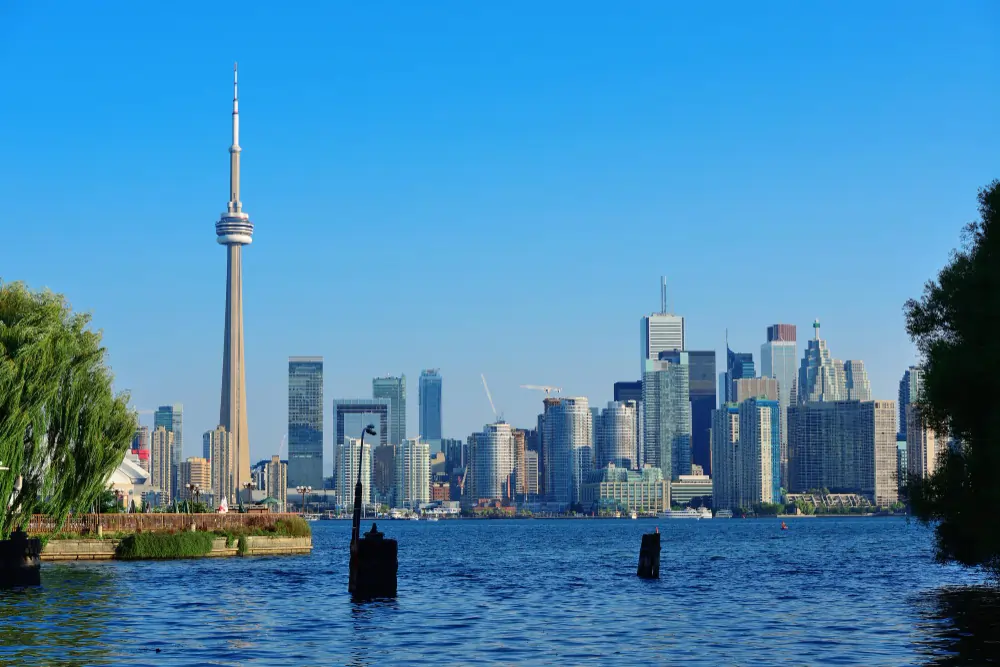
❤️ Why We Love It: Canada’s largest, most cosmopolitan city — endlessly energetic.
☀️ Best Summer Visit: June – August (festivals, patios, islands)
❄️ Best Winter Visit: December – February (indoor culture, Christmas markets, hockey games)
Toronto is big, bold, and relentlessly exciting. As Canada’s largest city, it punches above its weight on the world stage — it’s one of the most multicultural cities on Earth, with over 200 languages spoken within its boundaries. And that diversity makes it, in my opinion, one of the best food cities in the world.
The city skyline is dominated by the iconic CN Tower (553 meters tall and still one of the tallest free-standing structures in the world), and from its observation deck the views stretch all the way to Niagara Falls on a clear day. It’s a must-see — as is the Royal Ontario Museum, one of the largest in North America.
What genuinely surprised me about Toronto was its green spaces. High Park is gorgeous, and the Toronto Islands — just a short ferry ride from downtown — offer beaches, picnic spots, and one of the best skyline views in the world.
Our Toronto Highlights
- Visit the CN Tower — Take the glass-floor elevator to the observation deck or, if you’re feeling brave, walk the EdgeWalk — an outdoor walk on the roof at 356 meters. Absolutely exhilarating.
- Explore the Distillery District — This pedestrian-only village of restored Victorian industrial buildings is filled with boutique shops, art galleries, farm-to-table restaurants, and great cafes. Pure charm.
- Take the ferry to the Toronto Islands — Only a 13-minute ride from downtown, the islands offer beautiful beaches (Ward’s Island beach is gorgeous), picnic spots, and the best view of the skyline you’ll find.
- Catch a Toronto Raptors or Blue Jays game — The city comes alive for sports. A Raptors game at Scotiabank Arena is a brilliant, buzzy experience even for non-basketball fans.
Do's & Don'ts in Toronto
✅ DO THIS
- Get a Presto card for unlimited transit on the TTC subway and buses.
- Visit Kensington Market on a Saturday for a proper multi-cultural street market vibe.
- Book CN Tower tickets online to skip the queue.
❌ AVOID THIS
- Don't try to drive downtown — traffic and parking are both a nightmare.
- Don't underestimate how spread out the city is — give yourself extra travel time.
- Don't skip Chinatown and Little Portugal — the food and culture are brilliant.
⚠️ Scam Alert
Watch out for "charity collectors" at Yonge-Dundas Square who pressure passersby for large donations. If you want to donate, do so directly through official charity websites.
7. Niagara Falls
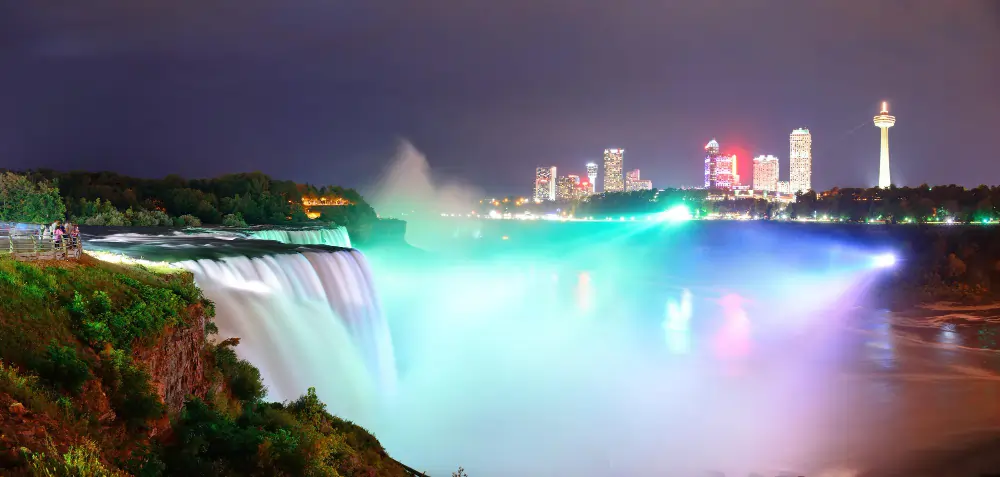
❤️ Why We Love It: One of the world’s most iconic natural wonders — still utterly awe-inspiring.
☀️ Best Summer Visit: May and September – October (fewer crowds, great weather)
❄️ Best Winter Visit: January – February (illuminated falls, winter festival — and far fewer crowds!)
Even as someone who had seen hundreds of photographs before arriving, Niagara Falls still took my breath away. The sheer scale of it — the thunder of the water, the spray on your face, the rainbows arching through the mist — is something no photograph can truly prepare you for. And yes, it’s touristy. Very touristy. But it earns every tourist.
Niagara Falls sits on the border between Ontario, Canada, and New York State, USA, and was formed around 12,000 years ago during the last Ice Age. There are actually three falls: the Horseshoe Falls on the Canadian side (the biggest, at 188 feet), the American Falls (110 feet), and the delicate Bridal Veil Falls (70 feet).
Most visitors come as a day trip from Toronto — it’s only about 1.5 hours by car — and that’s exactly what we did. I’d highly recommend booking a guided tour from Toronto for convenience, as it takes all the stress of transport and tickets off your hands.
Our Niagara Falls Highlights
- Take the Hornblower / Niagara City Cruises boat — This iconic boat tour takes you right into the mist at the base of the Horseshoe Falls. You’ll get soaked even in the provided poncho — embrace it! Book well ahead.
- Walk the Journey Behind the Falls — Go through tunnels cut into the rock directly behind the Horseshoe Falls. The rumble and power of the water inches above you is extraordinary.
- Visit in the evening for the Illumination — Every night the falls are lit up in spectacular colour. In winter, the Festival of Lights makes this even more dramatic.
- Cross into the USA — If you have the right documentation, cross to the American side for a completely different perspective of the falls. The Observation Tower view is excellent.
Do's & Don'ts in Niagara Falls
✅ DO THIS
- Visit the Canadian side for the best frontal view of Horseshoe Falls.
- Book the boat tour as the very first thing when you arrive — queues grow fast.
- Stay overnight to see the illuminated falls without the daytrip crowds.
❌ AVOID THIS
- Don't waste money at the overpriced Clifton Hill strip restaurants.
- Don't forget your passport if you plan to cross into the USA.
- Don't visit in peak July/August without pre-booking absolutely everything.
⚠️ Scam Alert
Watch out for unofficial "combo ticket" sellers near the falls entrance. Only buy tickets from official Niagara Falls Tourism booths or their website.
8. Montreal
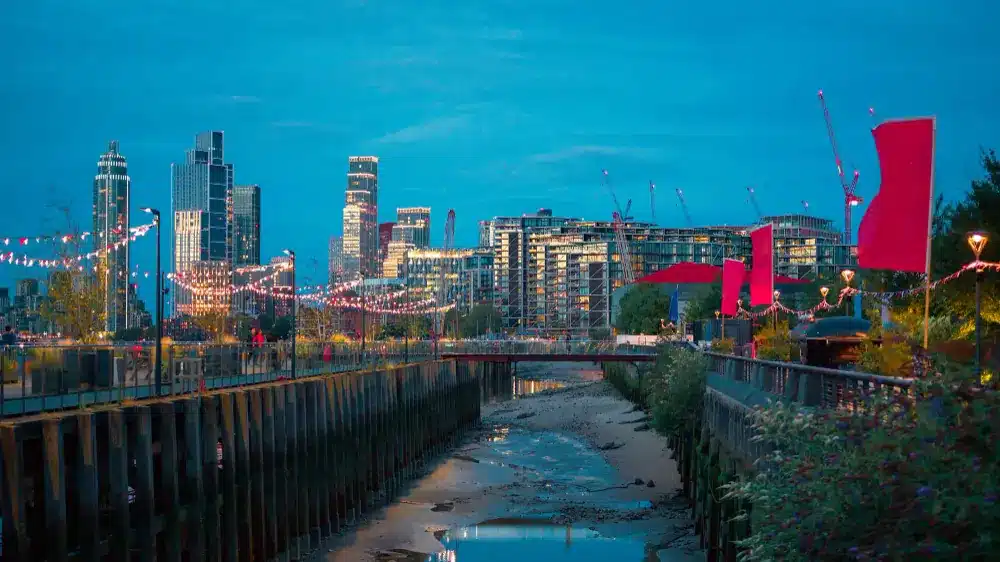
❤️ Why We Love It: Europe in North America — cobblestone streets, world-class food, and endless festivals.
☀️ Best Summer Visit: June – August (outdoor festivals, terrasse patios)
❄️ Best Winter Visit: January – February (winter carnival, cozy French bistros)
Montreal is genuinely unlike anywhere else in Canada. It’s as if someone picked up a slice of Paris, dropped it in North America, and let it evolve into something truly unique. The city seamlessly blends European elegance — gorgeous historic architecture, incredible French cuisine, a thriving café culture — with a distinctly North American energy and dynamism.
Old Montreal (Vieux-Montréal) is the star of the show, with its cobblestone streets, 17th-century buildings, and the stunning Notre-Dame Basilica. But by afternoon you can be surrounded by modern skyscrapers in the CBD, which gives you a real sense of how the old and new coexist here.
Montreal is also famously one of the festival capitals of the world. The Montreal International Jazz Festival (the world’s largest) takes over the city every June/July, while the Just for Laughs comedy festival draws comedy legends every July. If you time your visit right, the city is absolutely electric.
Our Montreal Highlights
- Explore Old Montreal — Wander the cobblestone streets, admire the stunning architecture, and visit the breathtaking Notre-Dame Basilica (one of the most beautiful churches in North America). Book tickets in advance.
- Visit Jean-Talon Market — The largest open-air market in North America is a riot of colour, flavour, and local life. Perfect for picking up local cheeses, maple products, and fresh produce.
- Try Poutine — You absolutely cannot leave Quebec without trying this iconic dish. Fries, gravy, and cheese curds. It sounds questionable but it’s absolutely divine. La Banquise in the Plateau is the legendary spot for it.
- Explore the Plateau-Mont-Royal neighbourhood — The artsy, bohemian heart of Montreal, full of colourful Victorian row houses, independent boutiques, great restaurants, and lively bars.
Do's & Don'ts in Montreal
✅ DO THIS
- Use the Metro — it's clean, fast, and will get you everywhere efficiently.
- Speak a bit of French if you can — locals genuinely appreciate the effort.
- Visit in summer for the full festival experience on the outdoor terrasses.
❌ AVOID THIS
- Don't be surprised if menus are entirely in French — Google Translate is your friend.
- Don't skip the underground city (RÉSO) — 33 km of underground tunnels with shops, restaurants, and more.
- Don't eat near the tourist zones — walk two streets back for much better value.
⚠️ Scam Alert
Watch your belongings in the Old Port area during busy summer festivals. Pickpockets target distracted tourists in large crowds.
9. Quebec City

❤️ Why We Love It: North America’s most European city — cobblestones, castles, and centuries of history.
☀️ Best Summer Visit: Late June – September (warm, outdoor festivals)
❄️ Best Winter Visit: January – February (Winter Carnival — one of the world’s biggest)
Quebec City is, in my honest opinion, the most beautiful city in Canada. Walking through Old Quebec feels genuinely like stepping back in time — the cobblestone streets, the 17th-century stone walls (the only remaining fortified city walls in North America north of Mexico!), the iconic Château Frontenac looming over everything. It’s extraordinary.
Like Montreal, Quebec City has that uniquely French-Canadian character — French is very much the dominant language here, and the cuisine, culture, and architecture all reflect that deep Gallic influence. But unlike Montreal’s buzzy cosmopolitan energy, Quebec City has a more intimate, romantic feel — it’s smaller, quieter, and in many ways more deeply charming.
And the Winter Carnival here (held annually in January/February) is one of the biggest winter festivals in the world, with ice sculptures, dog sled races, and night parades. If you’re visiting Canada in winter, Quebec City in Carnival season is non-negotiable.
Our Quebec City Highlights
- Explore Old Quebec (UNESCO World Heritage Site) — Walk the fortification walls, visit the Citadel, and wander the narrow streets of the Lower Town (Basse-Ville). Every corner is a photo opportunity.
- Stay or dine at Château Frontenac — Even if you’re not staying here (it’s pricey!), step inside for a look at this magnificent 1893 castle-like hotel. It’s one of the most photographed hotels in the world.
- Try local Quebec cuisine — Beyond poutine, try tourtière (meat pie), maple taffy pulled from snow, and a proper French table d’hôte dinner. Le Clocher Penché and Chez Boulay are brilliant choices.
- Visit during the Winter Carnival — The Bonhomme mascot, ice canoe races across the St. Lawrence, night parades, and snow sculptures. It’s wild, colourful, and utterly unique.
Do's & Don'ts in Quebec City
✅ DO THIS
- Walk the fortification walls for the best overview of the city.
- Book accommodation in the Old Town if possible — the atmosphere is worth the extra cost.
- Visit Montmorency Falls (just outside the city) — taller than Niagara!
❌ AVOID THIS
- Don't assume everyone speaks English — make the effort to greet in French.
- Don't visit without warm clothes in winter — it gets bitterly cold.
- Don't rush Quebec City — it deserves at least two full days.
⚠️ Scam Alert
In the tourist-heavy Petit-Champlain area, compare souvenir prices — some shops charge two to three times more than others for identical items. Shop around.
10. Nova Scotia
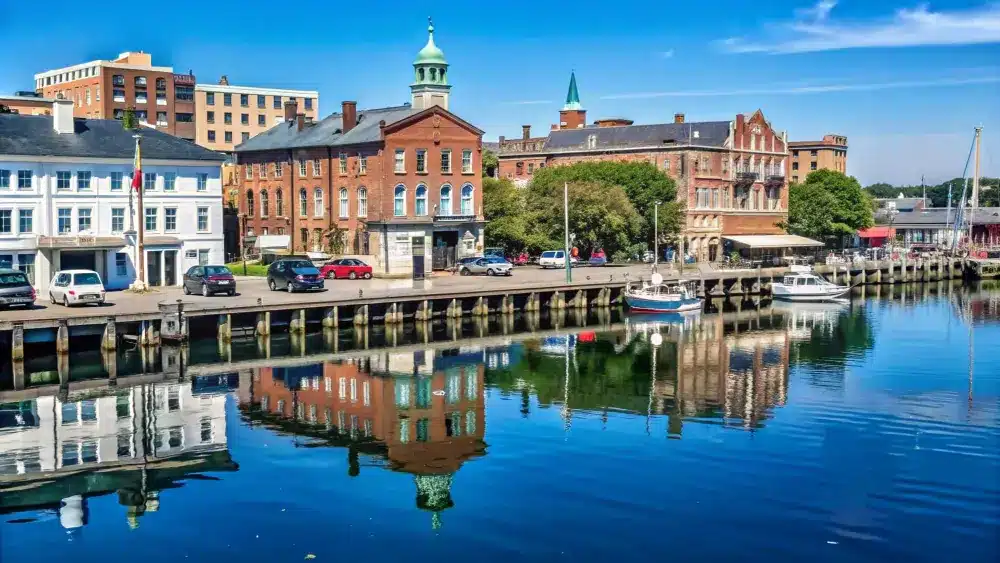
❤️ Why We Love It: Wild Atlantic coastlines, picture-perfect lighthouses, and the freshest lobster you’ll ever taste.
☀️ Best Summer Visit: July – August (whale watching, coastal drives, lobster)
❄️ Best Winter Visit: February – March (fewer crowds, dramatic storm-watching)
Nova Scotia is one of Canada’s best-kept secrets — and I say that knowing it deserves far more attention than it gets. This Atlantic province is ruggedly, dramatically beautiful. Think towering sea cliffs, painted wooden lighthouses perched above crashing waves, lobster shacks with fresh catch of the day, and friendly locals who genuinely seem delighted to see you.
The province’s capital, Halifax, is a vibrant, liveable city with a brilliant waterfront, fantastic seafood restaurants, and significant history — including the Halifax Citadel and the moving Canadian Museum of Immigration at Pier 21. It’s a great base for exploring the wider province.
And then there’s the Cabot Trail — one of the most jaw-dropping coastal drives in the world. Winding through Cape Breton Island, this 298 km loop hugs the Atlantic coastline through the dramatic Cape Breton Highlands National Park. In autumn especially, when the trees turn, it is absolutely extraordinary.
Our Nova Scotia Highlights
- Drive the Cabot Trail — One of the world’s great scenic drives. 298 km of cliff roads, ocean vistas, forested valleys, and charming villages like Baddeck and Chéticamp. Allow 2–3 days to do it justice.
- Explore Lunenburg — A UNESCO World Heritage-listed fishing town with brightly painted wooden buildings, a working fishing harbour, and an utterly charming old town. It’s postcard-perfect.
- Go whale watching from Digby or Brier Island — Humpback, minke, and finback whales are all commonly spotted. The Bay of Fundy has some of the best whale watching in the world.
- Eat lobster straight from the wharf — In Nova Scotia, lobster is cheap, fresh, and incredible. Head to a local wharf co-op in Yarmouth or the South Shore and eat it straight from the shell.
Do's & Don'ts in Nova Scotia
✅ DO THIS
- Rent a car — you simply cannot experience Nova Scotia without one.
- Visit Peggy's Cove lighthouse at sunrise to avoid the tour buses.
- Book whale watching tours from Digby for the Bay of Fundy species.
❌ AVOID THIS
- Don't visit Peggy's Cove in the middle of the day in summer — it's heaving with tour groups.
- Don't skip Cape Breton in autumn — the fall colours are extraordinary.
- Don't eat at the tourist restaurants on Halifax's waterfront — walk a block back for much better value.
⚠️ Scam Alert
Be wary of "fresh catch" restaurant claims near tourist docks — some import frozen seafood. Ask locals which places genuinely serve what the boats brought in that day.
11. Newfoundland
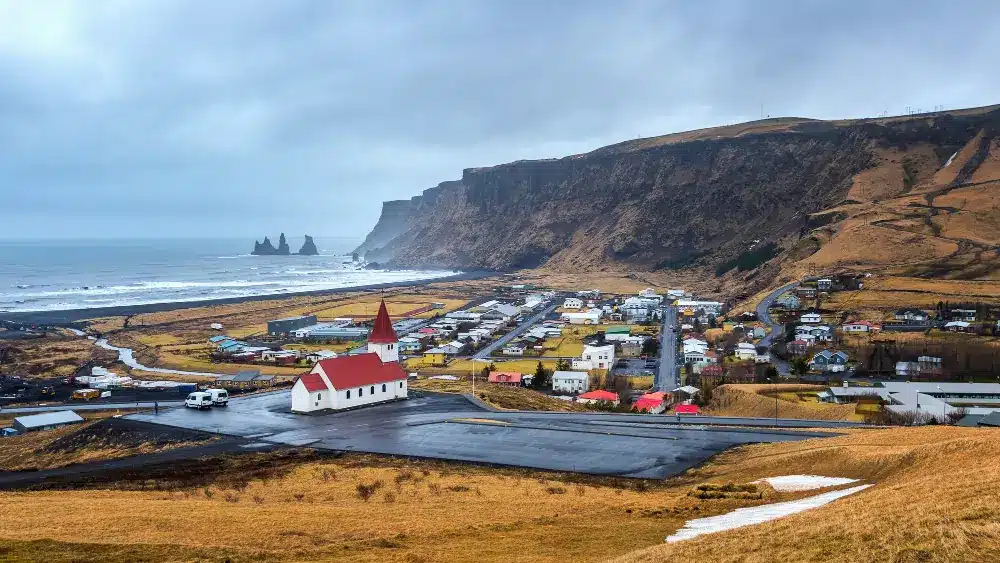
❤️ Why We Love It: The most unique culture in Canada — icebergs, puffins, and some of the friendliest people on Earth.
☀️ Best Summer Visit: June – August (icebergs, puffins, whale watching)
❄️ Best Winter Visit: December – March (remote, magical, aurora viewing possible)
Newfoundland is utterly unlike anywhere else in Canada — or anywhere else I’ve ever been, for that matter. It’s remote, rugged, and absolutely wild in the most magnificent way. The landscape is dramatic and ancient: towering fjords, endless bogs, jagged coastlines, and the kind of emptiness that makes you feel both tiny and completely free.
The province’s capital, St. John’s, is a delight — its famously colourful Jellybean Row houses, its lively George Street bar scene (officially the street with the most bars per square foot in North America!), and its warm, witty, wonderfully friendly locals make it a place you immediately want to return to. The Newfoundlanders (or ‘Newfies’ as they’re affectionately known) are, without question, the warmest, most welcoming people I’ve met in any of my travels.
And then there are the icebergs. From April to June, enormous icebergs drift down from the Arctic along Iceberg Alley — and seeing a multi-storey iceberg floating just offshore is one of the most surreal, extraordinary sights you can imagine.
Our Newfoundland Highlights
- Hike Gros Morne National Park — A UNESCO World Heritage site of breathtaking fjords (technically ‘landlocked fjords’ or ‘fjords that drained’), towering cliffs, and ancient geology. The Gros Morne Mountain hike takes 6–8 hours but is absolutely worth it.
- Drive Iceberg Alley in April–June — The stretch from St. Anthony down the Northern Peninsula offers the best iceberg viewing. Pick up the Icebergs Finder app to track current sightings.
- Visit the colourful streets of St. John’s — Walk Jellybean Row (Victoria Street), climb Signal Hill for panoramic harbour views, and explore the brilliant locally-owned shops and restaurants on Duckworth Street.
Do's & Don'ts in Newfoundland
✅ DO THIS
- Rent a car — Newfoundland is vast and public transport is minimal.
- Visit April–June for the best iceberg and puffin viewing.
- Talk to locals — they are genuinely the warmest, funniest people and will point you to hidden gems.
❌ AVOID THIS
- Don't underestimate distances — driving across Newfoundland takes many hours.
- Don't leave without trying toutons (fried dough) and partridgeberry jam for breakfast.
- Don't skip Signal Hill — the views over St. John's harbour are extraordinary.
⚠️ Scam Alert
Newfoundland is remarkably scam-free — the locals are incredibly honest. Just be careful with unfamiliar online accommodation listings for rural areas.
12. Prince Edward Island

❤️ Why We Love It: Red-sand beaches, fresh seafood, and the home of Anne of Green Gables.
☀️ Best Summer Visit: July – August (warmest water in Atlantic Canada, Anne of Green Gables)
❄️ Best Winter Visit: December – February (quiet, local, authentic)
Prince Edward Island — or PEI as everyone calls it — is the smallest province in Canada, and also one of the most charming. Connected to the mainland by the impressive 12.9 km Confederation Bridge, PEI is a place of rolling red farmland, charming fishing villages, and some of the warmest ocean water in Atlantic Canada.
It’s world-famous for two things: its extraordinary fresh seafood (particularly its oysters and lobster, which are legendary) and as the birthplace of Anne of Green Gables — Lucy Maud Montgomery’s beloved 1908 novel, which has turned the island into a pilgrimage destination for fans from around the world, particularly Japan.
But beyond the literary tourism, PEI is genuinely beautiful — its distinctive red-iron-oxide soil gives the beaches, cliffs, and roads a warm rusty hue that’s unlike anything else in Canada.
Our Prince Edward Island Highlights
- Visit the Anne of Green Gables Heritage Place — Even if you haven’t read the book, this beautifully preserved 19th-century farmhouse in Cavendish is genuinely lovely. The surrounding green countryside is exactly as idyllic as the novel describes.
- Eat oysters at a wharf — PEI oysters are world-renowned. Malpeque oysters from Conway Narrows are particularly celebrated. Eat them raw, straight from the shell, with a squeeze of lemon.
- Drive the Red Sands Shore — The distinctive red-iron cliffs and beaches in the south give PEI a landscape unlike anywhere else in Canada. The red beach at Red Point is particularly photogenic.
- Cycle the Confederation Trail — 470 km of converted railway trail crossing the entire island. Even a short section through rural PEI is absolutely lovely.
Do's & Don'ts in Prince Edward Island
✅ DO THIS
- Drive the Confederation Bridge at least once — the views over the Northumberland Strait are beautiful.
- Visit in July for the PEI Shellfish Festival — three days of oysters, lobster, and music.
- Book lobster suppers at a community hall — they're cheap, delicious, and brilliantly local.
❌ AVOID THIS
- Don't visit solely for Anne of Green Gables without exploring the rest of the island.
- Don't underestimate PEI's food scene — it's extraordinary for such a small place.
- Don't drive the whole island in one day — slow down and enjoy the villages.
⚠️ Scam Alert
PEI is extremely safe and scam-free. Just compare lobster supper prices before booking — community hall ones are always better value than tourist restaurants.
13. Tofino
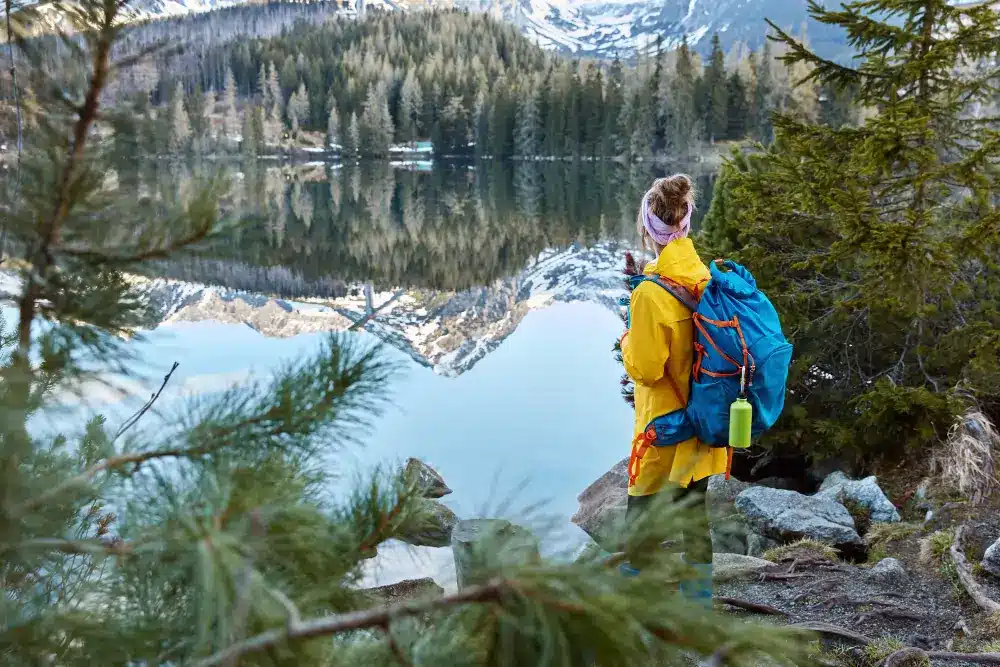
❤️ Why We Love It: Canada’s surf capital — wild, beautiful, and deeply restorative.
☀️ Best Summer Visit: July – August (surfing, wildlife, warm weather)
❄️ Best Winter Visit: November – February (storm watching — Tofino’s best-kept secret)
Tofino is the kind of place that gets into your soul. Perched at the edge of Vancouver Island on the wild Pacific coast, it’s surrounded on all sides by ancient rainforest, dramatic sea stacks, and the open Pacific Ocean — and it has an atmosphere that’s part surf town, part wilderness retreat, part foodie paradise.
Yep, Tofino has transformed in recent years into one of Canada’s most sought-after destinations. But even with its growing popularity, it retains that raw, wild energy that makes it so special. The beaches here — Long Beach, Chesterman Beach, Cox Bay — are vast, windswept, and genuinely stunning.
And storm watching in Tofino is a wildly underrated winter experience. Between November and February, storms roll in off the Pacific and crash massive waves against the shore — and Tofino’s hotels and restaurants fill up with people who come specifically to watch from cozy lounges with a glass of wine. It’s brilliant.
Our Tofino Highlights
- Learn to surf at Cox Bay or Chesterman Beach — Pacific Surf School and Surf Sister offer excellent lessons for all levels. Even in mid-summer the water is cold so a wetsuit (provided) is essential.
- Kayak to Meares Island — Take a guided kayak tour to this ancient island where an old-growth rainforest hike through 2,000-year-old red cedars is genuinely awe-inspiring.
- Whale watching and bear watching tours — March to October is prime humpback whale season. Black and grizzly bears also appear along the shoreline in spring and autumn.
- Storm watching from the Wickaninnish Inn — Even if you’re not staying here, visiting the Pointe Restaurant during a winter storm for dinner while waves crash against the rocks outside is an extraordinary experience.
Do's & Don'ts in Tofino
✅ DO THIS
- Book accommodation 6–12 months in advance for summer and storm-watching weekends.
- Bring a windproof jacket even in summer — the Pacific wind is relentless.
- Visit Radar Hill for a spectacular 360° view over Clayoquot Sound.
❌ AVOID THIS
- Don't swim without a lifeguard — Tofino's beaches have powerful rip currents.
- Don't skip storm watching season — November Tofino is magical.
- Don't leave without eating at Tacofino — the food truck that started it all.
⚠️ Scam Alert
Book surfing lessons only from certified schools. Unqualified individuals sometimes offer cheap lessons near the beach — the currents here can be dangerous.
14. Kelowna & the Okanagan Valley
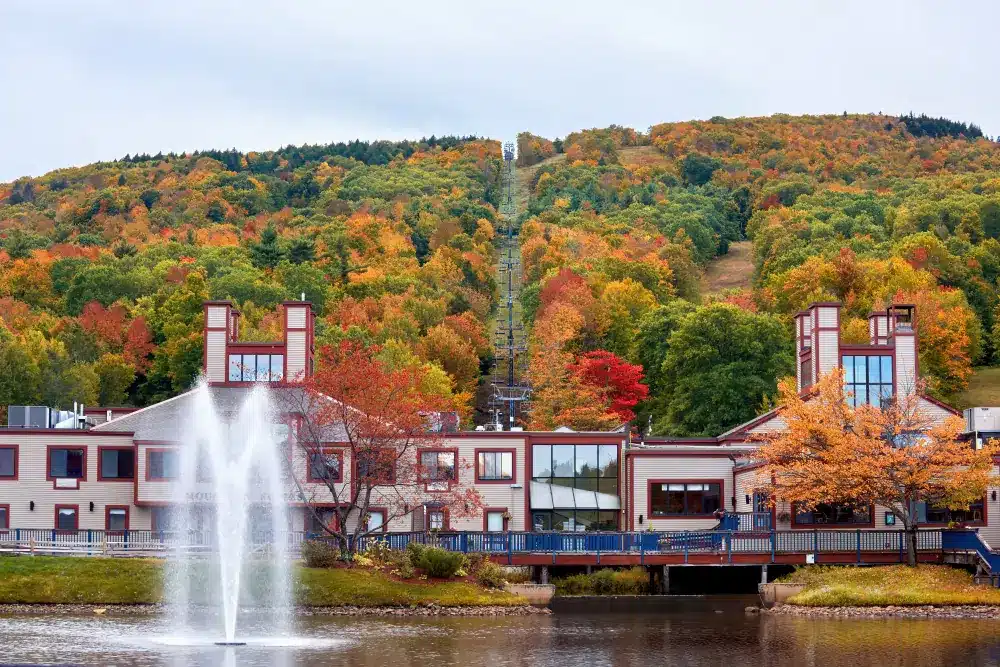
❤️ Why We Love It: Canada’s wine country — sun-drenched valleys, beach lakes, and world-class wineries.
☀️ Best Summer Visit: July – September (wine harvest, lake swimming, beaches)
❄️ Best Winter Visit: December – March (skiing at Big White)
The Okanagan Valley is Canada’s answer to Napa Valley — a long, narrow valley stretching through the British Columbia interior, blessed with a semi-arid microclimate that produces outstanding wine grapes. And Kelowna, its largest city, is the beating heart of it all.
But Kelowna isn’t just about wine (though the wine really is extraordinary). Lake Okanagan — a 135 km-long lake that cuts through the valley — is warm enough to swim in during summer, and its beaches rival anything the coast has to offer. The city has great restaurants, a buzzy downtown, and a fantastic cycling culture.
And then there’s Big White Ski Resort, just 56 km from downtown Kelowna — a genuinely excellent ski mountain with one of the best snow records in BC.
Our Kelowna & the Okanagan Valley Highlights
- Tour the Okanagan wineries — The Naramata Bench and South Okanagan are particularly spectacular. Mission Hill Family Estate has a stunning winery perched on a hill with panoramic valley views.
- Swim at Gyro Beach or Rotary Beach — On a hot summer day, the warm, clear waters of Lake Okanagan from Kelowna’s beaches are genuinely paradise.
- Cycle the Kettle Valley Rail Trail — Converted from a historic railway line, this trail offers jaw-dropping valley views and a brilliant way to explore the wine country.
- Ski at Big White — Just one hour from Kelowna, Big White receives a phenomenal amount of dry champagne powder and has a charming ski-in/ski-out village.
Do's & Don'ts in Kelowna & the Okanagan Valley
✅ DO THIS
- Book winery tours in advance during harvest season (September–October).
- Rent a bike and cycle between wineries on the Naramata Bench.
- Visit the Kelowna Farmers' & Crafters' Market on Saturdays.
❌ AVOID THIS
- Don't drink and drive between wineries — use a designated driver or join a guided winery tour.
- Don't skip the lake in summer — it's genuinely warm enough to swim.
- Don't miss the peaches and cherries in July — the Okanagan fruit is extraordinary.
⚠️ Scam Alert
Stick to licensed, established wineries. Some small roadside stands sell "local wine" that isn't VQA-certified and may not be genuinely local.
15. Calgary

❤️ Why We Love It: The gateway to the Rockies — and home to the world’s greatest rodeo.
☀️ Best Summer Visit: July (Calgary Stampede — the biggest rodeo in the world)
❄️ Best Winter Visit: December – February (gateway to ski resorts, clean mountain air)
Calgary doesn’t always top Canada’s tourist lists, but it absolutely should be on your radar. The city itself is modern, clean, and surprisingly cosmopolitan — with a fantastic restaurant scene, a vibrant arts district (the East Village), and a walkable downtown with the remarkable +15 Skyway system connecting buildings above street level.
But the biggest draw? The Calgary Stampede. Held every July for 10 days, it’s the largest rodeo in the world, attracting over 1 million visitors annually. Cowboys, chuck-wagon races, rodeo competitions, line dancing, and an enormous midway — it’s a full-on cultural spectacle that’s genuinely unlike anything else in Canada. Even if you’re not into rodeo, the Stampede’s energy is infectious.
And perhaps most importantly, Calgary sits just 90 minutes from Banff — making it the perfect base for a Rockies road trip.
Our Calgary Highlights
- Attend the Calgary Stampede (July) — Buy tickets well in advance for the evening Grandstand Show, which combines the rodeo with a spectacular outdoor concert and fireworks. It’s brilliant.
- Visit the Calgary Zoo — Home to over 1,000 animals across 15 hectares, including a remarkable Prehistoric Park with life-size dinosaur sculptures (Alberta is dinosaur country!).
- Explore the East Village and the National Music Centre — The NMC’s Studio Bell is a stunning piece of modern architecture housing the history of Canadian music.
- Drive to Kananaskis Country — Just 90 minutes from Calgary, this stunning provincial park is often overlooked in favour of Banff but offers equally spectacular hiking with far fewer crowds.
Do's & Don'ts in Calgary
✅ DO THIS
- Book Stampede accommodation a full year in advance — it sells out completely.
- Dress the part for the Stampede — cowboy hat and boots are genuinely worn by everyone.
- Get the Calgary City Pass for bundled attraction discounts.
❌ AVOID THIS
- Don't arrive in Calgary during Stampede week without a hotel booking.
- Don't miss Heritage Park Historical Village for a fascinating glimpse into pioneer life.
- Don't underestimate the wind — Calgary's famous "Chinook" can make winter temperatures swing wildly.
⚠️ Scam Alert
During Stampede, unofficial ticket scalpers work the grounds. Only buy additional event tickets from the official Stampede box office.
16. Ottawa
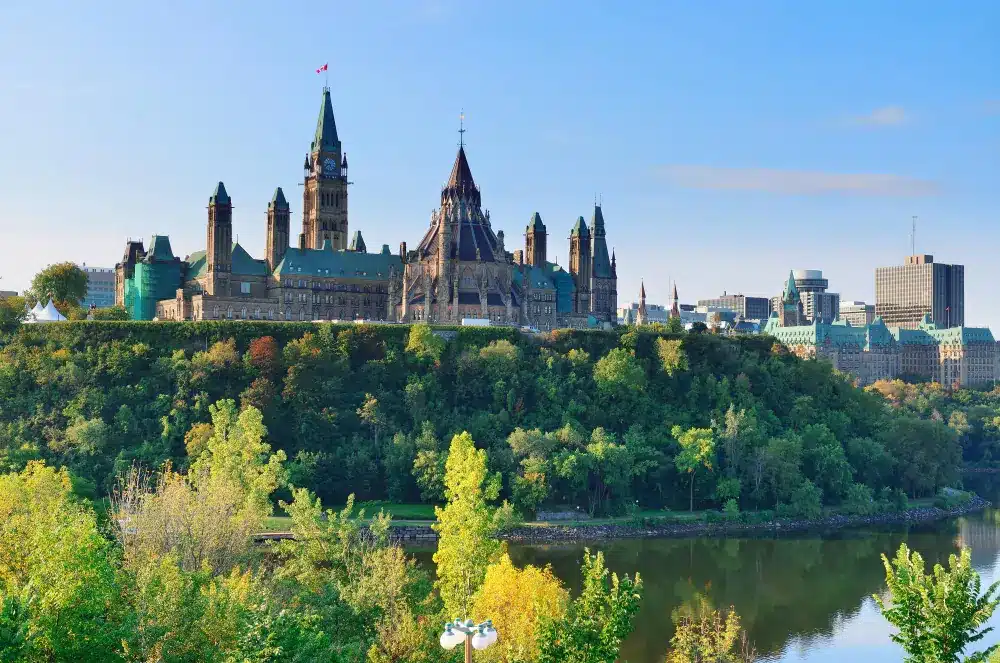
❤️ Why We Love It: Canada’s underrated capital — world-class museums and the world’s largest skating rink.
☀️ Best Summer Visit: June – August (Canada Day on Parliament Hill)
❄️ Best Winter Visit: January – February (Winterlude Festival and the Rideau Canal — world’s largest skating rink)
Ottawa is Canada’s most underrated city. As the nation’s capital, it’s home to some of the finest museums in the country (most of them free!), grand governmental architecture along the Rideau Canal, and a surprisingly lively food and nightlife scene in the Byward Market.
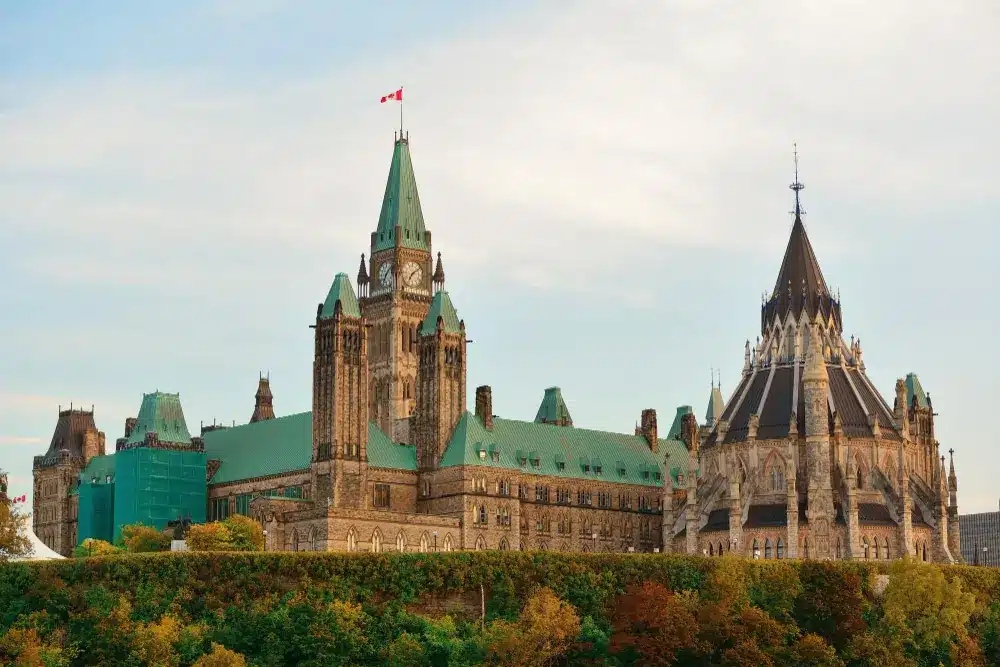
Parliament Hill is genuinely spectacular — the Gothic Revival architecture of the Centre Block is stunning, especially when lit up in the evening during the Sound and Light Show in summer. And in winter, the Rideau Canal freezes over and becomes the world’s largest naturally frozen skating rink — 7.8 km of maintained ice through the heart of the city. Skating it is a quintessentially Canadian experience.
Ottawa also comes alive for Canada Day on July 1st, when Parliament Hill hosts the largest Canada Day celebration in the country, with concerts, fireworks, and hundreds of thousands of people draped in red and white.
Our Ottawa Highlights
- Skate the Rideau Canal in winter — Rent skates from one of the canal-side huts, buy a Beavertail (the iconic Canadian fried pastry) and a hot chocolate, and skate the full 7.8 km. A bucket-list Canadian experience.
- Visit the Canadian Museum of History — Just across the river in Gatineau, Quebec, this stunning building houses the country’s most comprehensive collection of human history artifacts. Free on Thursday evenings.
- Explore the ByWard Market — Ottawa’s oldest market, filled with farmers, food stalls, restaurants, and bars. This is where locals eat, shop, and socialise.
- Watch the Changing of the Guard — Every morning at 10 AM from late June to late August, the elaborate military ceremony on Parliament Hill is free to watch and genuinely impressive.
Do's & Don'ts in Ottawa
✅ DO THIS
- Visit Parliament Hill's Sound and Light Show in summer — it's free and spectacular.
- Cross into Gatineau, Quebec, for the Canadian Museum of History (a short walk over the bridge).
- Get an Ottawa City Pass for museum discounts.
❌ AVOID THIS
- Don't skip the National Gallery of Canada — the collection is world-class.
- Don't underestimate how spread out the sights are — rent a bike to get around.
- Don't miss Winterlude (early February) if visiting in winter.
⚠️ Scam Alert
Political petition gatherers operate near Parliament Hill. You're under no obligation to sign or donate anything.
17. Churchill
❤️ Why We Love It: The polar bear capital of the world — a bucket-list experience unlike anything else on Earth.
☀️ Best Summer Visit: July – August (beluga whales by the thousands)
❄️ Best Winter Visit: October – November (polar bear season!)
Churchill is not an easy place to get to. It’s only accessible by train or plane — there are no roads connecting it to the rest of Canada. But if you’re willing to make the journey, what awaits you is one of the most extraordinary wildlife experiences on the planet.
Every October and November, polar bears congregate near Churchill as they wait for Hudson Bay to freeze over. Hundreds of them — and they’re close. Genuinely, remarkably, heart-stoppingly close. You view them from specially designed Tundra Buggies, and the bears sometimes come right up to the windows. It is the most extraordinary wildlife encounter of my life, full stop.
In summer, the Churchill River estuary fills with up to 3,000 beluga whales, who come to calve and feed in the warm shallow waters. And the Northern Lights? Churchill is one of the best places in the world to see them, from September through March.
Our Churchill Highlights
- Polar bear viewing by Tundra Buggy (October – November) — Book with Frontiers North Adventures or Natural Habitat Adventures, well in advance (ideally 12+ months). Prices are significant but this is a genuine once-in-a-lifetime experience.
- Snorkel or kayak with beluga whales (July–August) — Churchill Wild offers guided snorkelling experiences where you’re in the water with hundreds of curious, playful belugas. Completely surreal.
- Chase the Northern Lights — Churchill’s remote location and position under the auroral oval makes it one of the world’s best aurora viewing spots from September through March.
- Visit the Itsanitaq Museum — A small but exceptional museum housing a remarkable collection of Inuit art and artifacts, offering important context for the Indigenous cultures of this region.
Do's & Don'ts in Churchill
✅ DO THIS
- Book everything 12+ months in advance — Churchill is limited capacity and sells out fast.
- Hire a licensed local guide — polar bears are wild and dangerous outside the buggies.
- Pack extreme cold-weather gear — temperatures in November can drop to -30°C.
❌ AVOID THIS
- Don't wander alone outside in October/November — polar bears freely roam the town.
- Don't cheap out on tour operators — Churchill requires licensed, experienced guides.
- Don't go without significant travel insurance — medical evacuations from Churchill are very costly.
⚠️ Scam Alert
Churchill is remote enough that scams are extremely rare. Just ensure your tour operator is GTOS (Guide/Outfitter) licensed in Manitoba.
18. The Yukon
❤️ Why We Love It: Canada’s last great wilderness — and the best place in the country to see the Northern Lights.
☀️ Best Summer Visit: June – August (midnight sun, epic hiking)
❄️ Best Winter Visit: January – March (best aurora borealis viewing)
The Yukon is the Canada that adventure-seekers dream about — vast, untamed, humbling wilderness stretching endlessly in every direction. It’s the second-largest territory in Canada, covering over 482,000 square kilometers, and has a population of only around 45,000 people. That’s less than many mid-sized towns.
In summer, the Yukon’s midnight sun creates long, golden, surreal days perfect for hiking, paddling, and wildlife viewing. Kluane National Park — home to the world’s largest non-polar icefields — is a UNESCO World Heritage site of epic proportions, with wildlife (including grizzlies, Dall sheep, and golden eagles) everywhere.
In winter, the darkness brings the aurora borealis — and Whitehorse is one of the best places in the world to see them. On a clear night in January, the sky explodes with curtains of green, purple, and pink light that are among the most beautiful things nature produces. It’s genuinely jaw-dropping.
Our The Yukon Highlights
- Chase the Northern Lights from Whitehorse — The aurora season runs from August to April. Drive 20 minutes outside the city for minimal light pollution. Northern Tales and Yukon Wild both run excellent aurora viewing tours.
- Hike Kluane National Park — The Slims River Delta trail and Kathleen Lake trails offer extraordinary scenery in one of North America’s most remote wilderness areas. Always go with an experienced guide.
- Drive the Alaska Highway — One of the great road trips of the world, stretching from Dawson Creek, BC to Fairbanks, Alaska, passing through the Yukon’s most spectacular scenery.
- Visit Dawson City — This gold rush-era town is frozen in another era, with wooden boardwalks, colourful historic buildings, and the legendary Downtown Hotel bar (home of the famous Sourtoe Cocktail).
Do's & Don'ts in The Yukon
✅ DO THIS
- Rent a 4WD vehicle — many of the best Yukon roads are unpaved.
- Download the Aurora Forecast app and be flexible with your schedule to chase clear nights.
- Pack layers for summer evenings — temperatures drop significantly even in July.
❌ AVOID THIS
- Don't hike alone in bear country without bear spray and knowledge of bear safety.
- Don't expect phone signal outside of Whitehorse — download offline maps.
- Don't rush the Yukon — it rewards slow travel.
⚠️ Scam Alert
The Yukon is essentially scam-free. Just beware of fly-by-night aurora tour operators with no reviews or verified credentials.
19. Haida Gwaii
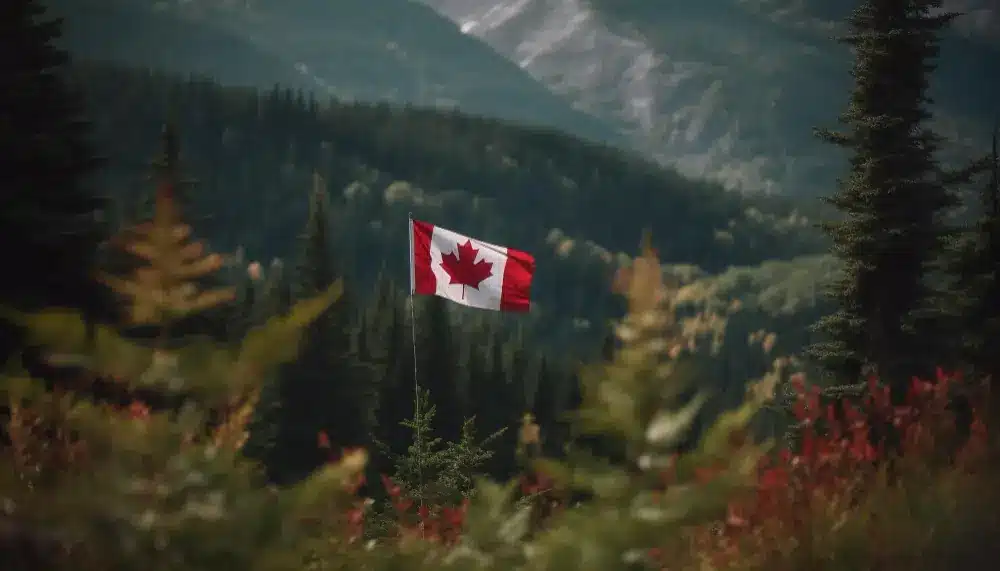
❤️ Why We Love It: Canada’s Galapagos — ancient Indigenous culture, extraordinary wildlife, and pristine wilderness.
☀️ Best Summer Visit: June – September (accessible weather, whale watching)
❄️ Best Winter Visit: October – March (storm watching, almost no tourists)
Haida Gwaii — formerly known as the Queen Charlotte Islands — is one of the most remote and remarkable places in Canada. An archipelago of over 150 islands off the north coast of BC, it’s accessible only by float plane or a 7-hour BC Ferries voyage from Prince Rupert. And that journey is absolutely worth it.
This is the ancestral home of the Haida Nation — one of the most culturally rich and artistically extraordinary Indigenous peoples in North America. The Haida’s traditional art (particularly their monumental totem poles and longhouses) is world-famous, and experiencing living Haida culture here is genuinely moving.
The wildlife here is extraordinary — it’s often called the ‘Galapagos of Canada’ for good reason. Ancient forests of Sitka spruce and western red cedar, abundant black bears (including the rare blonde ‘Spirit Bear’ nearby), sea lions, and humpback whales are all part of the fabric of everyday life here.
Our Haida Gwaii Highlights
- Visit SGang Gwaay (Anthony Island) — A UNESCO World Heritage site accessible only by boat, this ancient Haida village has the world’s largest collection of standing totem poles in their original location. Utterly haunting and beautiful.
- Hike in Gwaii Haanas National Park Reserve — One of the most pristine wilderness areas in Canada. The park can only be visited with a Haida Heritage Site Monitor — book through Parks Canada well in advance.
- Kayak the sheltered inner islands — The calm waters between the islands are perfect for kayaking, with sea otters, seals, and bald eagles as constant companions.
- Visit the Haida Heritage Centre in Skidegate — A world-class facility telling the story of Haida history, culture, and art. The carved totem poles and canoes inside are breathtaking.
Do's & Don'ts in Haida Gwaii
✅ DO THIS
- Book the ferry from Prince Rupert months in advance — spots are very limited.
- Hire a Haida guide for cultural sites — it's respectful, required, and enlightening.
- Pack for rain — Haida Gwaii receives significant annual rainfall.
❌ AVOID THIS
- Don't visit cultural sites without permission — the Haida people actively protect their heritage.
- Don't take anything from the natural environment — leave no trace principles are strictly observed.
- Don't rush — Haida Gwaii requires slow, mindful travel to appreciate properly.
⚠️ Scam Alert
Haida Gwaii is incredibly remote and scam-free. Just ensure your accommodation is genuinely pre-booked — options are very limited.
20. Prince George & the Northern Rockies
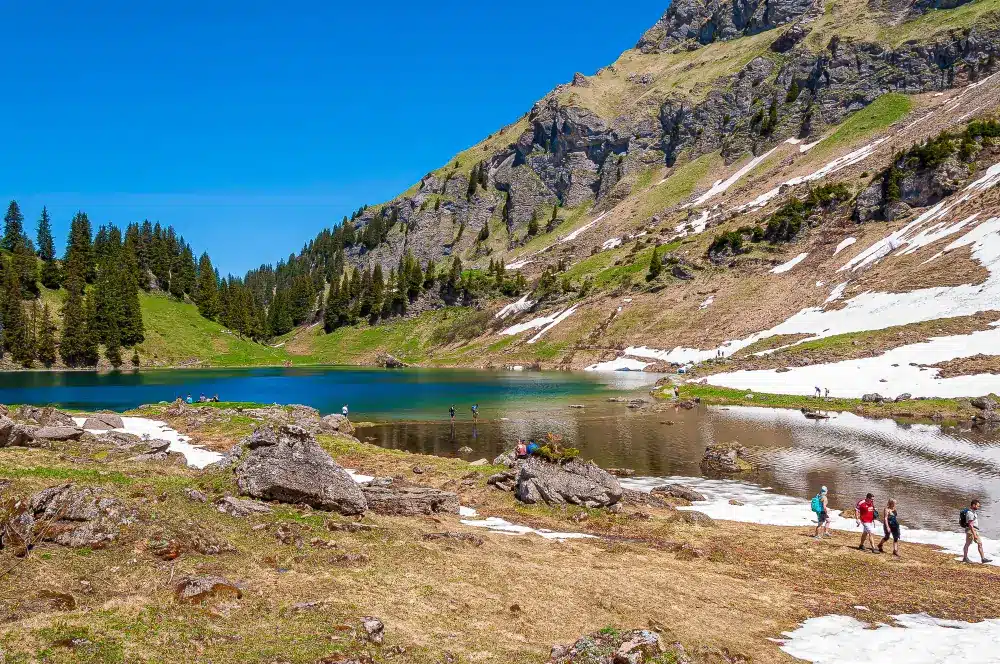
❤️ Why We Love It: Raw, wild, and untouched — Northern BC for the true off-the-beaten-path adventurer.
☀️ Best Summer Visit: June – September (hiking, wildlife, rivers)
❄️ Best Winter Visit: December – March (snowmobiling, cross-country skiing)
Northern British Columbia is where Canada truly reveals its raw, unbounded scale. Prince George serves as the gateway to this vast, largely untouched region — and while the city itself is a pleasant, functional base, the real draw is the extraordinary wilderness that surrounds it in every direction.
The Northern Rockies here are a revelation — less famous than their southern counterparts near Banff and Jasper, but every bit as spectacular, and with a fraction of the visitors. The Stewart-Cassiar Highway (Highway 37) north from Prince George towards the Yukon is one of the great drives in Canada, passing through a landscape of soaring peaks, glacial lakes, and vast boreal forests.
Muncho Lake Provincial Park, Liard River Hot Springs (where you can soak outdoors surrounded by wildlife), and the dramatic Skeena River valley are all highlights of this magnificent region. It’s for the adventurous traveller — but the rewards are extraordinary.
Our Prince George & the Northern Rockies Highlights
- Soak in Liard River Hot Springs — One of the largest natural hot springs in Canada, these geothermal pools in a remote northern park are extraordinary. Bison and bears sometimes wander past while you soak.
- Drive the Stewart-Cassiar Highway — This 718 km wilderness highway through Northern BC is one of Canada’s great road trips, passing Jade City, Bell 2 Lodge, and the gateway to Alaska at Stewart/Hyder.
- Explore Barkerville Historic Town — A beautifully preserved gold rush town from the 1860s, 80 km east of Prince George, with costumed interpreters and original buildings.
- Hike in Muncho Lake Provincial Park — The jade-green lake surrounded by the Northern Rockies is one of BC’s most spectacular (and least-visited) natural sights.
Do's & Don'ts in Prince George & the Northern Rockies
✅ DO THIS
- Pack a full emergency kit for your vehicle — distances between services can be 200+ km.
- Download offline maps before leaving Prince George — signal disappears fast.
- Visit Liard Hot Springs early morning for the best chance of wildlife sightings.
❌ AVOID THIS
- Don't drive the Stewart-Cassiar on bald tires — the road is remote and services are sparse.
- Don't underestimate wildlife encounters — this is serious bear country.
- Don't rush past small towns like Smithers and Terrace — they have real charm and great local food.
⚠️ Scam Alert
Northern BC is too remote for typical tourist scams. Just be wary of buying undocumented gemstones in "Jade City" — always ask for provenance.